Home Addition Cost Per Square Foot in San Diego: What to Budget
A home addition in San Diego runs $300 to $600+ per square foot depending on what you're building, where you're building it, and how complex the structural and permit situation is. A 400 square foot single-story room addition might land at $120,000 to $200,000. A 600 square foot second-story addition can run $250,000 to $400,000+.
Those ranges exist for real reasons. This guide breaks down cost by addition type, explains what drives the variance in San Diego specifically, and addresses the coastal and HOA considerations that affect a significant portion of the North County properties where Silver Strand works.
Average Home Addition Cost Per Square Foot in San Diego
San Diego home addition costs per square foot by addition type:
- Single-story room addition: $300 to $500 per square foot
- Second-story addition: $400 to $600+ per square foot
- Garage conversion to living space: $150 to $300 per square foot
- ADU (attached or detached): $250 to $450 per square foot
These figures include design, permits, materials, and labour. They don't include site-specific surprises — existing foundation issues, HOA requirements, or coastal commission review — which are common in San Diego and can add cost.
Home Addition Cost by Type in San Diego
Single-Story Room Addition
A single-story addition is typically the most straightforward path to more space. You're expanding the footprint of the home on the lot rather than going up. Cost runs $300 to $500 per square foot in San Diego for a typical bedroom, family room, or multi-purpose addition.
Foundation is the primary variable. A new concrete slab foundation for a 400 square foot addition runs $12,000 to $25,000 depending on soil conditions and the required engineering. Pier-and-grade-beam foundations (common in some San Diego hillside areas) run higher. Connecting the new addition to the existing structure — matching rooflines, integrating into existing electrical and plumbing — adds complexity and cost over a standalone build.
Second-Story Addition
Second-story additions cost more per square foot for two reasons. The structural complexity is higher — you're adding load to the existing first-floor walls and foundation, which typically requires structural engineering to verify or upgrade capacity. And the work is physically more complex, with scaffolding, crane lifts for framing materials, and more fall-protection requirements.
A 600 square foot second-story master suite addition in Carlsbad or Encinitas typically runs $280,000 to $380,000 all-in. The high end of that range applies when structural upgrades to the first floor are required, when the roofline is complex, and when finish levels match the rest of a higher-end North County home.
Garage Conversion to Living Space
Converting an attached garage to livable space is the most cost-effective way to add square footage to a San Diego home. You already have the foundation, the walls, and the roof. The work is mostly interior — insulation, drywall, flooring, electrical, HVAC extension, windows, and a proper entry.
Cost runs $150 to $300 per square foot for a straightforward conversion. A 400 square foot two-car garage conversion runs $60,000 to $120,000 depending on finish level and whether bathroom plumbing is added.
One San Diego-specific consideration: converting a garage to living space eliminates required off-street parking under many local zoning codes. Confirm the parking requirements for your property and zone before committing to this path.
ADU as Home Addition
An ADU (accessory dwelling unit) is technically a separate unit rather than an addition to the main home, but it serves a similar function: adding usable square footage to the property. California's ADU laws have made permitting significantly more straightforward in recent years.
ADU construction in San Diego runs $250 to $450 per square foot depending on whether it's attached or detached, and on finish level. A 600 square foot detached ADU runs $150,000 to $270,000. An attached ADU converting existing space (like a garage) runs lower.
The ADU vs. traditional home addition question is covered in its own section below.
What Drives Home Addition Costs in San Diego?
Permits and Engineering
All home additions in San Diego require permits. Any addition that adds structural load — which is essentially all of them — requires structural engineering calculations stamped by a licensed engineer. Engineering fees run $2,000 to $8,000 depending on complexity. Permit fees run $5,000 to $15,000+ for additions, with San Diego city generally running higher than North County jurisdictions.
Plan check timelines for additions in San Diego run longer than for remodels. A straightforward room addition might take 6 to 10 weeks for permit approval. A second-story addition with structural complexity can take 3 to 6 months. Build this into your project timeline — it's not negotiable.
Foundation and Structural Work
The foundation scope depends entirely on what exists and what you're building. Flat lots in established San Diego neighborhoods usually have the most straightforward conditions. Hillside properties, lots with expansive soils (common in parts of San Diego County), and properties near coastal bluffs may require engineered foundation systems that cost significantly more than a standard slab.
Structural upgrades to an existing home to support a second story are the largest variable in second-story addition costs. In some cases the existing first-floor walls and foundation are adequate. In others, significant reinforcement is needed. This is determined by a structural engineer after reviewing the existing construction, not by the contractor's estimate.
Matching Existing Home Aesthetics
An addition that looks like it was bolted onto the house hurts resale value. Matching rooflines, exterior materials, window styles, and interior finishes to the existing home requires more design work and more material care than a freestanding build. It also takes more trim carpentry time and often requires custom-milled material to match discontinued products.
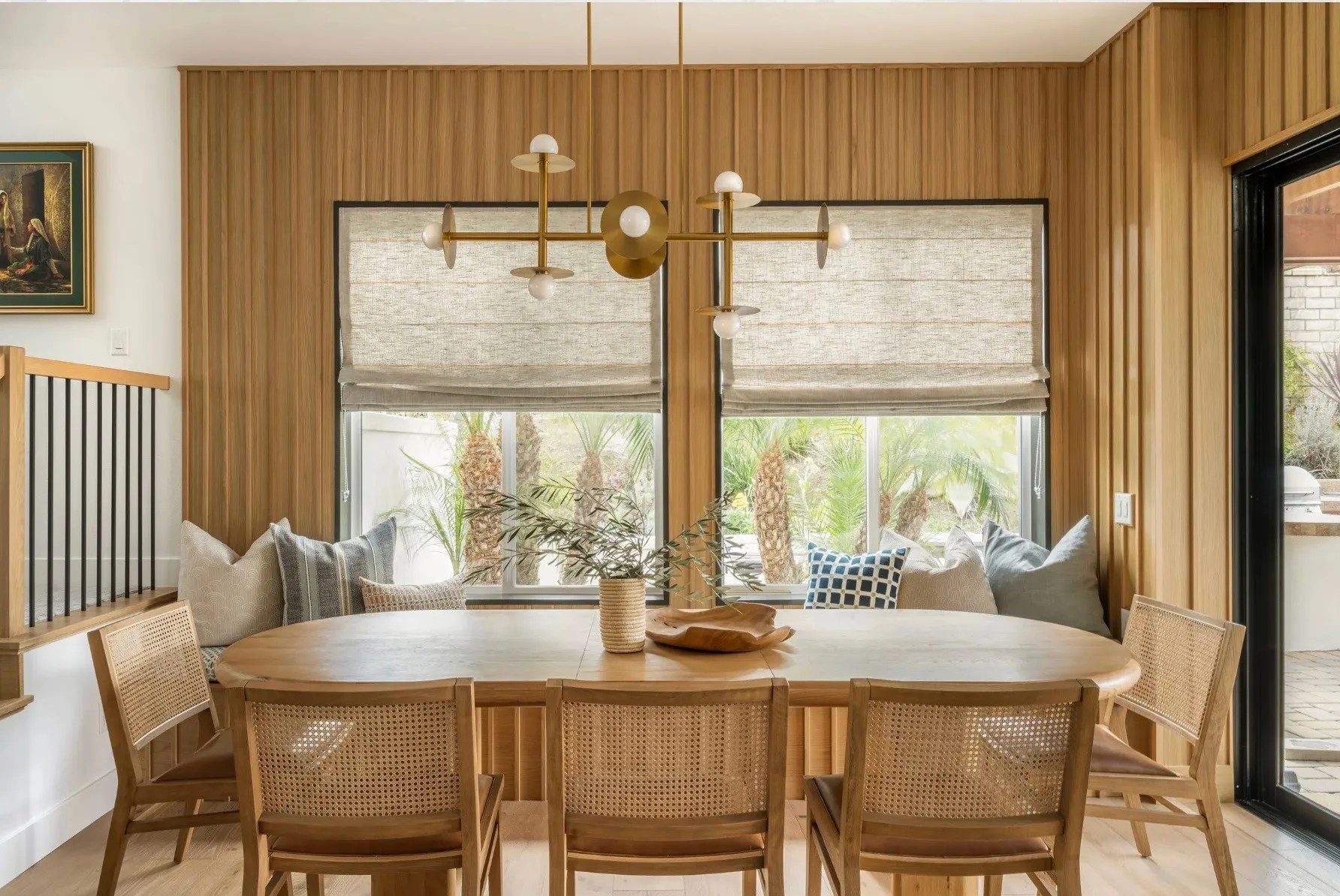
Silver Strand's project photography is a useful reference here — the additions in their portfolio are designed to read as part of the original home, not as additions. That integration costs more upfront and pays off in how the home presents and appraises.
Home Addition vs ADU: Which Makes More Sense?
They solve different problems. A home addition expands your living space and becomes part of the main dwelling. An ADU creates a separate unit that can be rented, used by family, or sold in markets where lot splits are permitted.
From a financial standpoint: ADUs in San Diego generate rental income that a home addition doesn't. A 600 square foot ADU in Carlsbad or Encinitas rents for $2,200 to $3,000 per month in the current market. At $200,000 in construction cost, that's a 13 to 18 percent gross yield on the construction cost — before accounting for added home value.
Home additions make more sense when you need integrated living space rather than a separate unit, when the lot doesn't have room for a detached ADU, or when you want to keep the property as single-family.
North County Coastal Homes: Special Considerations
Properties in Del Mar, Encinitas (particularly coastal areas), and Solana Beach may fall under Coastal Commission jurisdiction, which adds a review layer and potentially additional restrictions on building height, setbacks, and massing.
HOA restrictions in communities like Rancho Santa Fe, La Costa, and parts of Carlsbad affect exterior materials, roof pitch, addition height, and in some cases the square footage of additions. HOA architectural review is a separate process from city permitting and runs its own timeline.
Lot coverage limits are stricter in some North County zones than in inland San Diego. Adding square footage on a small coastal lot may hit coverage limits faster than the same footprint on a larger inland lot. A contractor who works regularly in North County will check lot coverage in the initial planning phase — not after design is complete.
Frequently Asked Questions
How long does it take to build a home addition in San Diego?
From contract to completion, a single-story room addition in San Diego typically runs 6 to 10 months. Permitting accounts for 2 to 4 months of that timeline for most addition projects. Construction runs 2 to 4 months depending on scope. Second-story additions run longer on both the permit and construction side.
Do I need an architect for a home addition in San Diego?
For most additions, you need at minimum a designer and a structural engineer. Some projects — particularly second-story additions or those in coastal commission zones — require a licensed architect. Your contractor can advise on what's required for your specific scope and zone.
Can I add a second story to any San Diego home?
Structurally, most homes can accommodate a second story, but some require significant reinforcement. Zoning limits building height in many San Diego zones, and some areas have additional restrictions on second stories. HOA CC&Rs in some communities prohibit second-story additions or restrict height. The due diligence on all three fronts happens before design, not after.
What permits are required for a home addition in San Diego?
Building permits, structural engineering, electrical, plumbing, and mechanical permits are typically all required for a full addition. Some projects in coastal zones require Coastal Commission permits. Projects in HOA communities require HOA architectural approval. The full permit picture depends on your specific property.
Get a Free Home Addition Estimate in San Diego
Silver Strand Construction (Lic #1081065) designs and builds home additions throughout San Diego and North County. The estimate conversation covers scope, budget, permitting, and timeline — without a sales pitch attached.